Google has begun rolling out its November Pixel update, bringing more Gemini-powered features to the Pixel 10 family while making its first item tracker, Pixel Tag, available on November 11. The release combines a wider push toward AI-assisted tasks with new hardware designed to compete in the Bluetooth-tracker market.
The update is not identical for every Pixel owner. Google is spreading features across device generations, regions and languages, and says the software rollout will continue over several weeks. Compatibility details are therefore as important as the headline additions. The company outlined the changes in its November Pixel Drop announcement.
Gemini Intelligence reaches the Pixel 10
The main software change is the expansion of Gemini Intelligence to Pixel 10 devices. Google lists features including Rambler, proactive suggestions and the ability to complete selected multi-step tasks through supported apps.
Rambler upgrades voice typing by removing filler words and organizing spoken thoughts into cleaner text before a message is sent. It is designed to make dictation more useful for conversational input, rather than simply transcribing every word exactly as spoken.
Gemini can also handle selected tasks such as arranging a ride, ordering food or finding a restaurant reservation. Google says this automation is expanding to the United Kingdom, India and Japan. It depends on supported apps, countries and languages, so it is not a general ability to operate any app or complete any online transaction.
Another addition, Create My Widget, lets users describe a widget in ordinary language. Google says it can build personalized home-screen panels, such as a spending tracker or travel countdown, drawing on information from services including Gmail, Calendar and Search. The feature is rolling out over the coming weeks on supported devices and in selected markets. Google’s separate Gemini Intelligence update outlines the wider Android expansion.
Pixel Tag brings Google into the tracker market
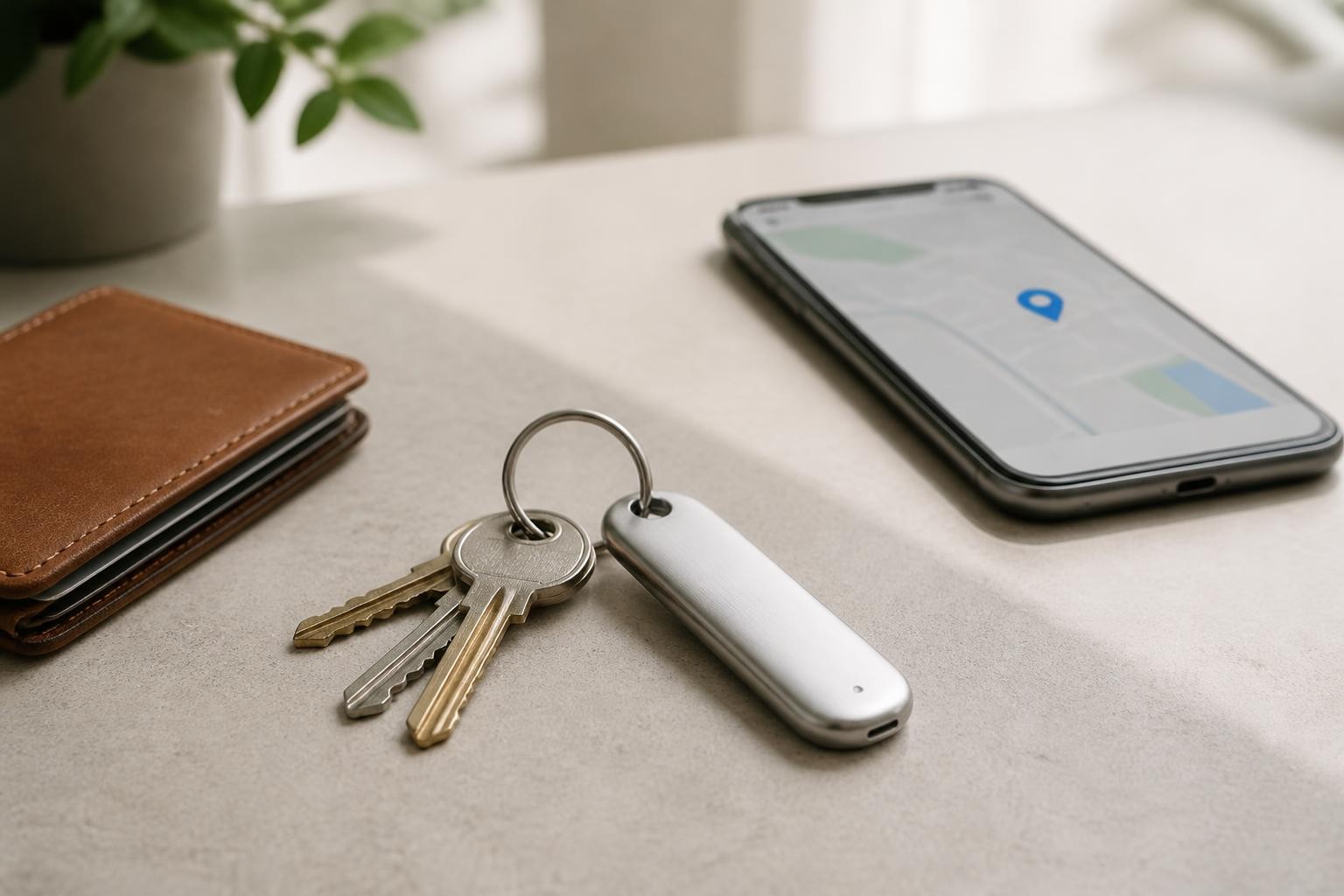
The hardware headline is Pixel Tag, Google’s first dedicated item tracker. Google says it becomes available on November 11 at a US price of $29.99 for one or $99.99 for a four-pack.
Pixel Tag uses Google’s Find Hub network, which the company says includes more than one billion Android devices. When a tag is outside its owner’s Bluetooth range, nearby participating Android devices can help update its location. Google says the network uses encrypted location information and includes protections designed to alert people when an unknown tracker appears to be travelling with them.
For nearby searches, compatible phones can use ultra-wideband technology to provide visual guidance showing the tag’s direction and distance. Google says the tracker is slim enough to fit in a wallet and its battery lasts more than a year. It lists compatibility with Android 9 and newer, although precision-finding features require compatible hardware. More details are in Google’s Pixel Tag introduction.
The launch gives Android users a first-party Google option in a category where Apple’s AirTag and third-party trackers already have established ecosystems. The size of Find Hub’s network could be an advantage, but practical performance will depend on participating devices and the availability of compatible phones for precise finding.
Older devices receive selected upgrades
The November release also extends some features beyond Google’s newest phones. Pixel Search, which can look across photos, emails, messages, calendar entries and settings, is expanding to Pixel 6a and newer devices. Step-by-step workout guidance is rolling out to Pixel Watch 3 and newer models, allowing users to follow routines and record repetitions, weights and other metrics from a watch or phone.
Other features remain restricted. The more conversational Call Screen experience is listed for Pixel 11 models in the United States, while some Gemini capabilities require newer devices, supported languages or an eligible account. Google’s availability notes also exclude the Pixel 10a from certain Gemini features, an important distinction for buyers comparing models in the same generation.
Conclusion
The November Pixel Drop is more than a routine software patch. Pixel 10 owners gain additional Gemini tools, older devices receive selected improvements, and Pixel Tag gives Google a new entry in the item-tracking market. The rollout will take time and feature access varies, but Google’s direction is clear: it wants Android devices to anticipate more needs and handle more everyday tasks with less manual input.